
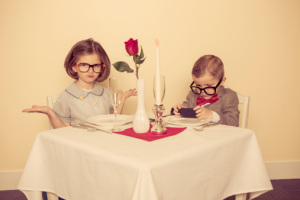
 As you know by now, I work in the field of helping people -especially couples- stay connected in their intimate relationships. Needless to say, most of us would agree that relationships require giving and receiving attention in order to feel fulfilled. Deep down inside we know this. In today’s busy world, however, with its myriad commitments, roles and responsibilities, we also know that distractions and competing interests abound and interrupt our attention all the time. Consequently, we often feel overwhelmed just by the sheer lack of time, making staying “relationally connected” even a bigger challenge.
Added to this mix of attention erosion is digital distraction. Since the emergence of internet and cell phones, (and especially the convergence of the two) we now automatically gravitate to connect in a different way. Smartphones, tablets, desktops, laptops, texting, email, blogs (btw thanks for reading:-), Facebook, Skype, Twitter, IM and Instagram are very popular forms of socializing these days. Today we swim in an overwhelming online ocean of information and what seems even more pervasive is that we cannot seem to do much or go anywhere without somehow being tethered to our gadgets. We‘re like plugged in 24/7! Not that I am taking up a personal crusade against the usefulness of all the modern electronic connections available to us today (after all I am blogging here); I am, however, seriously questioning whether the way we are living today -amidst the technology- is ultimately eroding our capacity for deep, genuine and sustained connection. For at the end of the day, “love” requires face-to-face attention (and not just Facebook:-). Download-Overload: A Love-Hate Relationship The paradox in all of this is that as technology allows information and connection to become more abundant, we, as humans, seem to be less able- and maybe even less willing- to communicate and really connect with each other. On the one hand, we can leave home, be away from our spouse, and still remain connected thanks to modern technology. We can see and hear each other at the push of a single click and sometimes we can take care of our daily business together, even when we’re miles apart. Even the fire of romance with one’s partner can be kept burning while away from home. But sometimes we’re totally unaware how negatively seductive the trap of technology can be. For many of us, knowing when to switch off becomes an issue and a habit difficult to break: we can’t really get involved in a conversation if an email beckons our attention instead. We don’t really eat dinner together if it means our telephones also sit by our sides. We’re not out on a “date night” if the most stimulating experience and conversation comes from a hand-held shiny screen. This is where we can become more married to distraction than to each other. When technology begins to crowd out the intimacy of our most important relationships, we then begin to truly lose our connection. Maybe our attention spans for realationships are rapidly shrinking. More and more these days I am meeting up with couples who feel disenchanted in their own relationships because they no longer engage in deep conversations and reflection with one another. Well, maybe given the speeded-up world in which we live in, focus is hard to come by, let alone sustain? Maybe we have no patience for mindfulness anymore? Maybe without meaning to, we hastily and habitually process information about each other rather than take the time to rediscover one another in a more personable way? Maybe we are losing the ability to discern the human emotions etched on each other’s faces- eroding our capacity for emotional connection and in turn, the most vital part of how to be in communion with others. In other words, maybe, without noticing it, we have somehow trained our brains to not compute meaningful connection and learned to take each other for granted. For better and for worse… Whether we like it or not, the cyber-centric culture in which we live in is here to stay. The technology is embedded in how we maintain our relationships. And the only way around this modern-day conundrum of being “married to distraction” is to set some boundaries and to consciously reconnect the old-fashioned way: offline. To live, laugh and play. Together. There is no magic formula other than communication for connection. But this commands attention. When we command the attention of our loved ones, anything we share with them is received in a far more engaging way. Command, however, does not mean demand or criticism or even worse- contempt. (I’ll be blogging about this communication killer next time). Rather, it means turning toward each other with compassion and respect. Commanding brings you closer to what you desire while demanding pushes it further away. The following questions are offered here as food for thought: Ask yourself whether your daily usage of the internet and social networking sites has increased…if so, by how much? Does your partner regularly comment or complain about the time you spend checking your phone or surfing online? Ask yourself if you are happy today as you were a couple of years ago or if you are feeling more stressed out than you did then? Or even more importantly, are you feeling more lonely? Your honest answers to the above questions may prove to be a turning point in your life. Moreover, taking your answers to your partner may prove to be the most important thing for your marriage: true connection. Happy belated New Year to you all, wishing you much love in your relationships and thanks for using your devices to read my blog:-)
0 Comments
 I’m baaaaaack!
Well, it’s officially the end of summer, and I hope you thoroughly enjoyed yours. Hey, did you know that the Gaelic term for “end of summer” is Samhain (pronounced “sah-win”) and it’s also where Halloween is known to originate from? However, in the beginning, Halloween had more to do with the changing of seasons and preparing for winter than changing into costumes, with people often going “door-to-door” asking for food, in exchange for prayers for the dead. It was commonly believed that the souls of the dearly departed were supposed to revisit peoples’ homes on October 31st, with sinister black cats, goblins and witches paving the way. It was really only much later, after the massive Irish immigration into America, that candy, costumes, parties and pumpkins became the most common way to celebrate Halloween. So, from pagan ritual to party night, Halloween still stands strong as that popular time of year when many -not only children, but adults as well- choose fun over responsibility, imagination over reality, and sometimes even indulging in a private fantasy, or two! And, when you really think about it, isn’t that what Halloween is all about? A celebration in transformation? Maybe I’m becoming somewhat of an existentialist as I get older. Or, maybe I’m just old:-). But, recently I came across an old photo album of Halloween pictures from all the wonderful parties we celebrated over the years and one particular photograph made me smile. It was the time I had dressed up as a saloon girl: a tight laced black bodice, a very short red satin ruffled skirt (oh, how I love satin!), lots of sequins, fringe and fishnet stockings held up by a garter and a pair of high-heeled shoes. Ooh-la-la! To look at me, you’d think sultry and sexy. However, what was definitely less apparent is that it took me almost an hour to work up the nerve to walk into the party dressed-up that way. Seemingly so provocative, yet so incredibly shy! But,I did it! Thinking back, I embraced both my persona and my inhibitions. And, it was so much fun! Oh, there’s something about the wild wild west:-) Although I do recall a look of disdain from my mother as I left the house that evening… Nevertheless, I forged ahead. Little did I realize back then I was putting training wheels on my fantasies and desires. Little did I know I was learning how to own my own sexual imagination and expression. That was already 35 years ago! And, this is a story I still often share in my work with couples and especially so in the Sex onthe Menu workshop I offer to women. This past month I had the privilege of attending two different bachelorette parties. Both events were very engaging and entertaining as well as educationally enlightening. Notwithstanding, what continues to surprise me about these events is that even today, in our so-called sexually-liberated society in which we live in, female sexuality still has many myths, untruths, and taboos surrounding it. It’s almost 2015 and for many young women of today it’s like they have been pushed back into the morass of the sexual mores of my own generation. In particular, I find that many young women continue to grapple with the whole “bad girl/good girl” dichotomy or what I like to call the Madonna/Whore Complex. Many continue to second-guess themselves, teeter-tottering between prohibition and permission to be able to be both. Many of these young women who would love to enjoy sex more freely either do so begrudgingly, or hold back out of shame. For so many, sex cannot just be about pleasure and play for it is mired with too many fears and inhibitions. The proscriptive head seems to get in the way. Even the word “fantasy” conjures up confusion. How come I don’t fantasize? What’s a good fantasy? How do I create a fun fantasy? What act shall I perform? ….are questions I often get asked. To which I respond: “It really begins with your sense of immersion in your own “self”: by getting in touch with your own thoughts, feelings and memories as well as all of your senses, too. Taste, touch, smell, sight and sound! Although fantasies are unique and require the use of your imagination, a fantasy isn’t necessarily about what you “do” as much as it is about what you think or know about yourself, especially that which would make you feel more passionate, more playful, more alive? A good fantasy brings forth your unencumbered spirit.” I think fantasies perform a valuable function. To be able to go anywhere in our imagination is pure freedom. To claim it is to feel alive. To share it can be exalting. And, perhaps within our intimate relationships, getting into the Halloween “spirit” can be the perfect time to “dress -up” and step into our fantasies and have fun with a loved and trusted partner. Whatever costume or disguise we wear, peu importe…it’s more about “becoming” and “possibility”, bringing in an element of both creativity and surprise, perhaps breaking our routine…masquerading and owning our imagination. Art. It’s a chance to watch and to be watched. Anticipation. It’s also an opportunity to shirk our vulnerabilities for a bit of courage and confidence. Aliveness. It’s about possibility, it’s about playfulness. When I was a child, I used to equate Halloween with candy and chocolate. Today, when I see costumes of ghosts and monsters, swashbucklers and superheroes, vixens and maidens, I think: transcendence. Maybe Halloween is more about taking off the mask than putting one on? Happy Halloween everyone!  I deal with the topic of infidelity in my work with couples all the time. Committed and married couples come see me individually or together- but usually only after the fact: after they have tried to work things out on their own or need someone to help them make a decision whether to stay together or not. It’s never easy.
Nor is it clear cut. Part of the problem is that many people think that monogamy is a given, a steadfast rule, something we pledge in our vows or commitment to each other, something that is just supposed to happen- like a knee-jerk reaction to a sharp tap on the patellar tendon. It’s more than that. True, monogamy is something most people believe in and want for themselves but it’s also a choice, a conscious choice…and one that needs to be honestly discussed. Couples cannot fend-off affairs just by assuming monogamy or even promise monogamy without discussing the issue. Nor can they avoid affairs by making threats as to what they would do if it happened. It doesn’t work that way. I always loved the expression, “Married but Not Dead”. My clients never know whether to gasp or smile whenever I remark about how on this planet of 7 billion plus people to possibly think that we cannot be attracted to someone other than our partner or spouse is….,well, pretty darn ridiculous, adhering to the simple fact that attractions to others are likely, even normal, sometimes healthy and indeed inevitable, no matter how much couples love each other. The bottom line is what we decide to do with the attraction. Did you know that the process of discussing attractions can actually decrease the likelihood of acting on them? Think about it: if you were to openly and honestly talk about having an affair, you would certainly erase the secrecy out of it and probably focus more on the possible problems of acting on the affair; whereas, when a person is secretly tempted to have an affair, their undisclosed private thoughts usually lead them to focus more on the possible pleasures. This is why clandestine behaviour thrives on mystery. By talking about it, however, it diffuses its potency. One of my favourite experts on this topic, Peggy Vaughn, who penned The Monogamy Myth, writes that this process of acknowledging attractions and discussing how they are to be handled is one that both married and unmarried couples need to address prior to any problem with affairs. Constantly wondering- and especially worrying about this issue- creates a strain between partners that may prevent their developing a better sense of trust in each other. She suggests couples need to talk through their feelings about monogamy and attractions to other people on an ongoing basis, as their relationship develops. I agree. It requires not only ongoing honest discussion of the issue but is also part of building value for the relationship. The same goes for sex. Even in totally exclusive relationships, people change when it comes to their sexual needs and desires. Being able to discuss these issues freely is important. This makes it possible for the couple to feel connected, as if they really know each other, making it more likely they can trust that they won’t deceive each other, thus preventing affairs. Maybe monogamy has become too cliché? Maybe its outmoded doctrine requires a brand new podium? Instead of embracing monogamy as a default mode, perhaps we should kick it up a notch and really flesh it out, making room for more of an openly shared state of internal affairs. What are some of your thoughts about monogamy? Do you think holding it up to an ideal-without necessarily talking about it- is enough for a relationship? If so, do you think it somehow has to do with the continued existence of sexual taboos in our society which contribute to the difficulty many partners still have when it comes to talking openly and honestly about sex? Hope you’re having a great summer…..I would love to hear from you.  I know I’m probably going to sound like your grandmother or something, but “if I had a nickel for every time” I heard the phrase “I Still Love You But I’m No Longer in Love With You, I’d be a lot richer I tell you! Well, okay, after doing the math, maybe only a couple of bucks richer but my point being: what the heck does this really mean? Do people who say this even know what they really mean? Do they even realize how the person at the receiving end of that statement feels like….perhaps sucker-punched comes to mind? Painful, no doubt. Do they ever consider that this may have more to do with how they feel about themselves- instead of their partner? And, are they really talking about love? Or, are they talking about desire (passion)? Because, here’s the thing: although each can feel like it flows from the other, love and desire can definitely be very, very different. Even diametrically opposed! Love and passion can conflict and delude the best of us. Furthermore, part of the confusion is that we continue to live in a society where the romantic ideal holds that love and desire naturally do go hand-in-hand and, in the same way, the person you fell in love with should unwaveringly be your consummate “be-all-and-end-all”. Talk about putting a partner on a pedestal …to say nothing of the pressure it places on the relationship!  I once read somewhere that love is a state of living while passion is a state of being. I had often thought the opposite to be true but when I read this it made sense to me. Passion is more like something on the inside that can either be stoked or suppressed. Love has the potential to last over time but passion is more transient. Many couples struggle with rekindling or resurrecting passion in their lives together, happily married couples included. I would hope that most couples know that there’s this natural ebb & flow to desire or passion, which is normally experienced in relationships. It only really becomes a problem for the relationship when conflict goes on too long and there is a lot of defensive behaviour or complete withdrawal because of the disparate level of desire… Moreover, what we often don’t realize is that this conflict probably has more to do with the unconscious personal or social constructs we fall victim to than it does with having fallen out of love with each other. Let’s face it! Couples in long term relationships always run the risk of bumping up against the prosaic together… creating a lackluster groove in everyday life. Why? Let’s see… Apathy. Boredom. Complacency. Dependence. Familiarity. Obligation. Predictability. Responsibility. Routine. Safety. Security. Work…..just to name a few! Life is What Happens to You and How You React to It! Confused? Let me try to elucidate: Recently I made a house-call to a young parenting couple. Their major concern was that they had fallen into a funk where they both no longer felt desire for one another. Their transition to parenting from pregnancy to postpartum had been positive but now, almost two years later, they questioned whether they’d lost “that loving feeling” for good. I asked them to paint a picture of their present daily life for me. This is what it looked like: Both were responsible and hands-on when it came to taking care of baby and home. In fact, each saw the other as doting and devoted. As parents, they worked in tandem and respected the structure and routine they had created for their child. Establishing emotional and physical security for their baby was now the priority. As a couple, however, there was no space or energy cultivated for their intimate life. Night after night, once all family related chores and obligations were taken care of, both would fall asleep on their comfy couch to the buzz of the TV set, capping off yet another day of domestic bliss! I asked them what life had been like before they became parents: individually, each really enjoyed their own hobbies: she reading and writing poetry, volunteering at an animal shelter and he, time with his buddies, golfing and restoring old cars. Together, both had enjoyed cooking, trying new recipes and wine, working out at the gym, walking hand-in-hand along nature trails, and beside their biweekly “mystery” date nights (which included sex by the way), anticipating an outing to a new restaurant or supper club every other month or so. Friendship. Fervor. Freedom. Fondness and Fun! And that other “F” word, too:-) And isn’t that what being human and having a good relationship is really all about? A balance between separateness and togetherness, intimacy and independence, play and purpose. The way I see it…all portend to the growth of the human spirit. So I asked this couple: “as happy as you are now being parents, what do you miss, what do you long for?” It wasn’t long before the floodgates opened and both declared “each other!” She missed the “butterflies” she used to feel for him whenever he’d touch her; he longed for the way she used to look at him. She longed to feel sexy again. He missed being her “man”. Obviously the love was still there but what they were both lamenting over was…desire. Their sizzle had fizzled. To paraphrase Esther Perel, one of my all-time favourite writers and marital therapists: Love and desire speak two different languages. Love thrives in an atmosphere of reciprocity, protection, and congruence. Desire is about feeling alive and often more selfish. In fact, at times, the very elements that nurture love: comfort, stability, safety, for example, can extinguish desire. Love is something you have, desire is something you want…..but in a long-term committed relationship, the question to ask is: Can we want what we already have? Absolutely! But sometimes it requires making a conscious paradigm shift- as in the willingness to look at each other -and life- with new eyes. So, before they could bring the lust back home, I first needed to help this couple understand how their current perception of each other had inadvertently created a new dynamic between them. For one thing, they were now in the throes of parenting, filled with love and adoration for their child but also deep in diapers and discipline, routines and schedules, stress and worries, obligations and responsibilities. Now, don’t get me wrong, they sure worked well as a team, and were very committed- but tell me…how sexy is that? Likewise, if desiring each other is about passionate engagement, about curiosity and discovery, then something had to be done about redirecting some of the pleasure and playfulness they had since relegated to their son. I gave them an assignment: scheduling a play date. Not for their child but with each other. The objective here was to have them use their imagination. Seeing they were already pros at bringing novelty into their relationship via their date nights in the past, I could see by the sparkle in their eyes that they were up for the challenge. Anticipation. Their energy was palpable. I explained that beating back the banality of anything begins with willfully bringing back more creative energy. I also suggested they each usher in their individual or personal twist to the play date, as this would compel them to be more in charge of their own desire. In this case, not only was it going to be fun, but the “play” part would also accentuate their attraction for each other. Also, what had a great chance of lasting was the association both would make of this shared experience…..and like one of my favourite mentors- Truus Andree- always used to say: “Positive behaviour usually begets more positive behaviour [sic]”. True, not all relationships make it, some really do crumble or wither away but before we make the decision to trade in a perfectly good relationship for a fluttering belly of butterflies, we need to try to understand the ambiguity between love and desire and especially recognize how the way we conceptualize our daily lives may in turn desexualize our intimate connection. Most importantly, we need to be mindful about how the loss of one doesn’t necessarily mean the loss of the other. So remember:  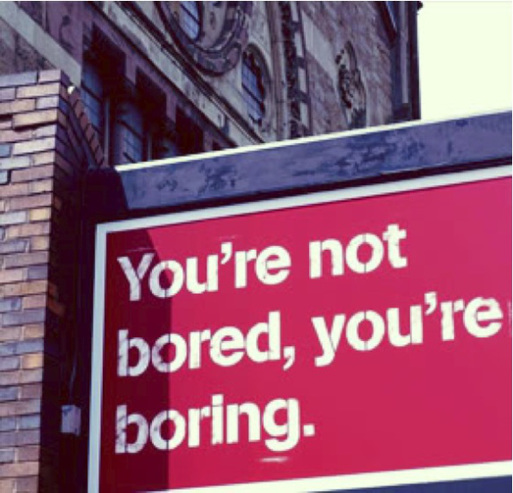 Creating the marriage of our dreams….a New “happily-ever-after”  With wedding season just around the corner, I’d like to share an article I wrote for MariageChic -a wedding magazine- in honour of all the grooms and brides to be! Happy Day, Happy Life! Your Marriage….the reason for your wedding A wedding can be very much like a fairy-tale- whimsical, wonderful, filled with romance and love. Your wedding day is supposed to be one of the happiest days of your life. After all that time of prepping and planning down to the last detail, you finally get to showcase your vision for all to see. It is also the day you announce to the world that you have found the highest form of love with the person you most revere, one who challenges your mind and excites your body as well as warms your heart. As a couple, it is the moment you promise to love each other all the days of your lives. And, while it is truly a magical moment in time- as you stand before family and friends watching your love story unfold- what is even more significant to your future marriage is never forgetting the magic that first brought you here together and intending to keep that bond strong forever more. Contrary to popular belief- a great marriage doesn’t take a lot of hard work- it takes a lot of Friendship-Fondness- & Fun! Facing obstacles and overcoming them together is part of normal married life. Inevitably, there will be disagreements, compromises, new challenges and responsibilities with each partner making mistakes that may hurt the other. But do you know what distinguishes happy marriages from unhappy ones? A deep, intentional friendship. Really! Happily married couples like each other…a lot! Maybe this seems too obvious or too simple, but it is overlooked more often than people think. Happy couples know each other intimately and show their fondness for one another in little everyday-like ways. They hug, cuddle and kiss. They are kind, considerate and loving toward each other, and attentive to one another’s needs and wants. Happily married couples also make dates and invent new and original ways to spend their time together. They choose to grow, laugh, learn and have fun together. Consequently, all of these positive efforts they make in their relationship creates a common bond which naturally buffers their stress and helps sustain love and connection between them….even during the worst of times. Couples who nurture their fondness and admiration for one another are better able to manage conflict, accept each other’s flaws and differences and prevent them from threatening their relationship. In other words, how you regularly build up your friendship and store these positive feelings – or how you are as a couple when you’re not fighting- actually helps keep your love and communication skills in tact even when you least feel like it and especially when you need it most. Your success as a couple hinges on the friendship you have built up between you more than anything else! By putting your heart right first, you automatically put your communication right, too . Your wedding will always be special to you as the day you began your marriage. Think about all the effort you put into this one magical day. Now imagine what you can do with the rest of your life!   Hi everyone! And a Happy Belated Valentine to you! Hope you had a nice one! Sorry I haven’t been in touch before this but, as Life would have it, my work with couples has kept me pretty busy lately- and happily so!
This past weekend I gave one of several workshops I offer called Sex onthe Menu to a group of 6 married couples. The main course: Love, Sex and Marriage. What else, right?:) My chef team: Gilda and Marisa whipped up a delicious gourmet dinner which consisted of: a balsamic-dipped sausage & grape amuse-bouche, sweet potato soup with toasted pumpkin seeds, beet and goat cheese salad on a bed of greens, butternut squash ravioli in a sage cream sauce, spiced rubbed pork tenderloin in a jalapeno pesto and roasted brussel sprouts in pomegranate…. and for dessert: a raspberry tiramisu. To die for, or what?? I know!!! And, not only was the food delectable, but so were the discussions! I began the evening by sharing a quote from one of my all-time favourite therapists and authors: Esther Perel: “While marriage dates back to biblical times, the institution has undergone a dramatic transformation in the modern era. What we call marriage today barely resembles its past profile. Formerly, matrimony was about economic sustenance, partnership, companionship, social status and children. Today, marriage is considered a romantic arrangement, a commitment between two, equal individuals based on love and trust. Spouses are supposed to be confidantes, friends, and passionate lovers. There is an expectation that one person will provide what an entire community used to offer. And, for the first time in history, we have linked marital happiness to sexual satisfaction. Is it any wonder that so many relationships crumble under the weight of it all.” So, as the wine began flowing, so did our conversations. And, let me tell you, it didn’t take too long before it escalated into a “he says-she says” dinner debate. All of a sudden the topic of egalitarianism became as hot and spicy as the pork tenderloin…caramba! In a nutshell, women were trying to get their men to understand that love was more about communication and connection, that they needed to feel loved, respected and paid attention to. Naturally, some of the guys went on the offensive, feeling attacked, criticized and diminished (and understandably so) especially when a couple of women joined forces and voiced their unwavering opinion of how ignorant and inept men can be at loving and making their women happy. Juicy! Before they even had a chance to hurl food at one another:-), I quickly intervened with my own blanket statement of “love comes in many languages”, and that although modern society may ascribe relationships to the egalitarian model, the marriage mindset of 50-50 is probably more of a myth, anyway. An ideal, rather than the norm. And, why the heck did we even have to aspire to a certain way at all? Wouldn’t the notion of complementarity work best? Is peace and harmony only attainable “if only the other would change”? Aren’t there way too many unhappy marriages where one partner tries to change the other to be more like them? Is this love? And, how’s their sex life, by the way? Wouldn’t it be best if we each took care of the things we were better at, or had more time for? Couldn’t men still bring home the bacon and women fry it up in a pan? Couldn’t we just trade off tasks? Shouldn’t people be able to define the constructs of femininity and masculinity for themselves? Wouldn’t the “job”- and life– get done more efficiently this way? And, why couldn’t we adjust to the reality of our situation -as it changed- and be ready to renegotiate, if need be? Isn’t variety the true spice of life? Enter the sorbet palate cleanser….and just in time, too! Followed by a few nods, some blank stares and a big pause for reflection. Food for thought:-). I continued to say that challenges are the nature of human existence; without them, we would never really be able to learn, grow and evolve. Marriage is no different. Oftentimes what we fight about in marriage has more to do with our own personal issues than anything else. We tend to pick a partner whose proclivity seems to coincide with our own vulnerability, whose natural knack for rubbing our emotional raw spots is really more unconscious than we think and only develops later in the relationship, usually once the fog of infatuation lifts and disenchantment sets in. We like to think of it as “opposites attract” but it’s really called the “flip-flop” factor. Think back to when you first met your partner, what qualities were you first attracted to? Or did you first fall in love with?…Was your partner the “life of the party” and fun-loving? Or quiet and mysterious? Predictable and reliable? Did you “flip” for these attributes? Or have they “flopped” and now you somehow resent your partner for these qualities today? Has “life of the party” become “too loud and overbearing”? Is “quiet and mysterious” now “boring and detached”? Did “predictable and reliable” ever become “passionless and routine”? Ask yourself which things you find annoying about your partner? Now, ask yourself what does this reveal about you? Do these traits- perhaps- somehow represent a disavowed part of yourself? Do you lack these qualities or envy them in any way? Be honest. For myself, what I had always respected about my husband was his predictability and reliability as well as his work ethic and responsibility, but over the years grew irritated by his lack of adventure, passion and spontaneity. Flip-flop! It wasn’t so much because my husband had changed as it was about me having had imposed my own double entendre on the same behaviours: one moment loving the security and structure he represented for me, the next feeling hemmed in and bored by it. What took me a while to understand, however, was that when I looked back at my childhood, insecurity was a huge theme for me. My dad died when I was only six years old and my biggest fear was that I’d lose my mom as well. My mom worked very hard at keeping her family afloat, and hardly ever really enjoyed life. I think she was too afraid. She would always say things like, “don’t get too excited, don’t have too much fun because it could all change in a second and you could be crying next”. Obviously, she didn’t trust in pleasure. And, neither did I. Half the time I lived life like I was waiting for the rug to be pulled out from under my feet. My husband, however, became my emotional anchor. The very fears I had about being abandoned (insecurity) were the things I found solace and comfort through him. It wasn’t until later when I looked into my own personal issues and discovered that, by owning both discipline and playfulness, I would help transcend my limited self. The evening finished off on a positive and satiated note with the host and hostess reiterating just how important compassion is to both communicating and living well together in marriage….that all couples should be willing to be open to understand life from their partner’s perspective. And, maybe that’s what 50-50 is truly all about!  I’ve been counseling and teaching couples about love and relationships for almost 20 years now, and without fail, the thing I most often hear from couples is that it takes “hard work” to sustain a loving relationship, that in order to feel connected, you really need to know how to communicate well. This is where I always follow up with a “Yes, especially since great communication today also involves passion, pleasure and play…and, in my book of love, sometimes couples need to learn to do that well, too!”After all, good verbal communication is one thing, but when couples base their relationships on friendship, fondness and fun, they usually also find joy and happiness in their lives. Now don’t get me wrong, workshop skills and structure can become immensely helpful to enhancing couple communication but without routinely preserving the positive side of life, couples may soon find their so-called “communication skills” waning. So, what I believe to be true is that communication skills become even more effective when couples also make time to love and enjoy one another. It’s all about connection. Personally, I find it bamboozling (I just love that word:-) as to why it is that we enter this world full of curiosity, laughter and joy and continue to develop these play skills for many years to come, only to find ourselves suddenly too “grown up” or too “caught up” in our roles and responsibilities...and way too fast! Even more so, as parenting couples, we’ll often find excuses not to do enjoyable things, or only when and if it involves our kids. How different this seems from the early days of courtship- or dating…omg, do people even say these words anymore…lol!! But seriously, remember how in the beginning we would stop at nothing to get together, to go out and enjoy each other’s company? We felt so connected! Even sex was more fun because we actually planned on it and looked forward to it. Yes, you read right: we actually planned it! Remember all those Friday nights you looked forward to in the earlier days of your relationship: you knew exactly when you’d be getting together, what you’d be wearing and what you’d be doing…..in other words you were actually anticipating and making plans for having some fun together? Intentionality. I think the sad truth is that after being together a long time, many couples become busier, take each other for granted and stop dating and even stop making special times a priority in their lives. Even worse are the couples who no longer know how to be together and fear that too much time has gone by anyway, and complacently allow this “awkwardness” between them to rule the day. And if you take a look at the research, well, studies keep reminding us that if couples would only just take the time for fun and pleasure with each other, they would actually help prevent both boredom and growing apart in their relationships- and that this could even help rejuvenate them during busier and more stressful times. Who knew that having fun was no trivial pursuit? Did you know that doing something new together can actually bolster dopamine levels in our brain (you know…that sexy neurotransmitting chemical we all have or what I fondly call “the sex, drugs & rock ‘n roll chemical of the brain” …and not that I’m advocating drugs) making us feel even more excited or interested in one another? Did you know that dopamine can even help assuage the fights we have along the way? Now, isn’t that cool? So, along with having fun for fun’s sake, what many of us fail to realize is that “fun” can actually preserve us and act as a powerful buffer against conflict down the road. It’s because when couples make time for fun and friendship with each other, they not only keep the spark alive, they also laugh and bring humour to their lives. In essence, couples create a positive impression of their lives. It’s as if this exchange in positive vibes somehow gets stored in the brain, and kindly reminds us that we can still feel good about each other and can still be the best of friends, even in the worst of times. So, really, when you think about it, what we are doing when we aren’t fighting can actually have a lot to do with the way we eventually repair or resolve our fights. However, with the many things vying for our time in everyday life like careers, children and chores, we really need to keep in mind that “fun” oftentimes requires planning…. This means we cannot always leave it up to spontaneity. When you really, really think about it…waiting for spontaneity to kick in can be like “waiting for the cows to come home”…..I know, I know..I’m showing my age :-). Instead, by scheduling and trying new things together, we can actually shake up the familiar expectations or patterns in our life, even deepen our intimate friendship. In my experience, I have always noticed how the quality of communication (not to mention satisfaction) immediately improves when couples feel that they matter to each other. When couples give off the message that they are a priority in each other’s life, whether by words or by their actions, they seem to continue to uphold the kindness, consideration and expressions of affection and desire that first brought them to each other. In other words, they create an environment which continues to nurture their relationship and helps it grow. They feel happier! This is why I strongly believe that making some time for each other is part of the lifeblood of an intimate relationship, and having fun together becomes the glue…. because it is exactly these type of loving qualities which end up reigniting in a couple’s life, time and time again, too. Without some quality time together, the connection between a couple withers and becomes increasingly difficult to reconnect. Deliberately planning and scheduling pleasurable activities together can not only naturally offset any potential demise from creeping into a couple’s life, but can also richly contribute to their shared sense of history. So, my question to you is : how do you stay connected? What makes your relationship a happy one? How does having fun together help you communicate better? Please feel free to add your comments below….. “Your success and happiness lies in you. Resolve to keep happy, and your joy and you shall form an invincible host against difficulties.” — Helen Keller  Happy 2014 Everyone! May this be a healthy & happy year for you !
And, welcome to my Love Blog:-). Yes, I’ve taken Let’sTalkAboutLove to a whole new level. I really want to make this your “first stop- on-line” for the best possible information when it comes to love, sex, marriage and relationships! Most importantly, I want to add value to your life- I soooo believe in education and empowerment- but I also would love to hear back from you, as your thoughts are always important to me. So, please check out the “comments” section below, ok? So, let’s blog about love already! Did you know that my New Year resolutions rarely ever have to do with the typical ones like losing weight (that’s because I refuse to give up chocolate and wine) or making more money (and that’s because the more I make, the more I seem to spend) but almost always have to do with becoming a better human being (sounds cheesy, I know, but oh-so true:-) especially creating even better relationships with the people I love…and that’s because I believe LOVE is the answer to most of our problems. I believe Love- is what truly makes our life worthwhile and can truly heal and set us free- both on a personal as well as on a global level- but only when we allow ourselves to open up fully to Love. To quote one of my favourite authors: “Openness-the heart’s pure unconditional yes–is love’s essence” (John Welwood). So, in keeping with quotes, the other day this one pops up in my inbox: “I hold this to be the highest task of a bond between two people: that each should stand guard over the solitude of the other.” Rainer Maria Rilke Don’t you just love it? I do, because for me, it truly exemplifies what love is- or should be- between two people, especially in loving relationships? And, it seems so peaceful. Unconditional love. Allowing each person to be able to be who they want or need to be, without expecting them to be otherwise. A tall order for most relationships, wouldn’t you say? I mean seriously, ask yourself, how cool are you with your own levels of togetherness and separateness, one-ness vs. two-ness in your own relationship? Different feelings, thoughts, behaviours? Acceptance without Annoyance:-). Or Anxiety. Food for thought, huh? I deal with this all the time in my work with couples. So, ask yourself: did you ever consider for a moment that when you hold expectations of how you “should be” as a couple, you may be robbing your partner of their uniqueness? Forcing them to be somebody else? Placing them into your own predictable and comfortable “box of life and love”? Especially if it’s an attempt at assuaging your own fears or insecurities? When you really think about it, expectations within relationships can be a form of control. By the way, have you ever realized that the moment we hold expectations of others, we potentially open ourselves to disappointment? So, really, is this love? Or is it fear? Are we acting with love if we’re trying to get our partner to love us the way we think they should? Or, are we trying to control “love” because we feel insecure? Does love begin with us or the other? I would love to know what you think and hope to hear from you soon….bye for now, Lydia |
Hi, I'm Lydia- a modern-day warrior of the heart with a mission to reconcile the mystery and mastery of Love.Archives
February 2024
|
 RSS Feed
Workshops |
About us
|
|